

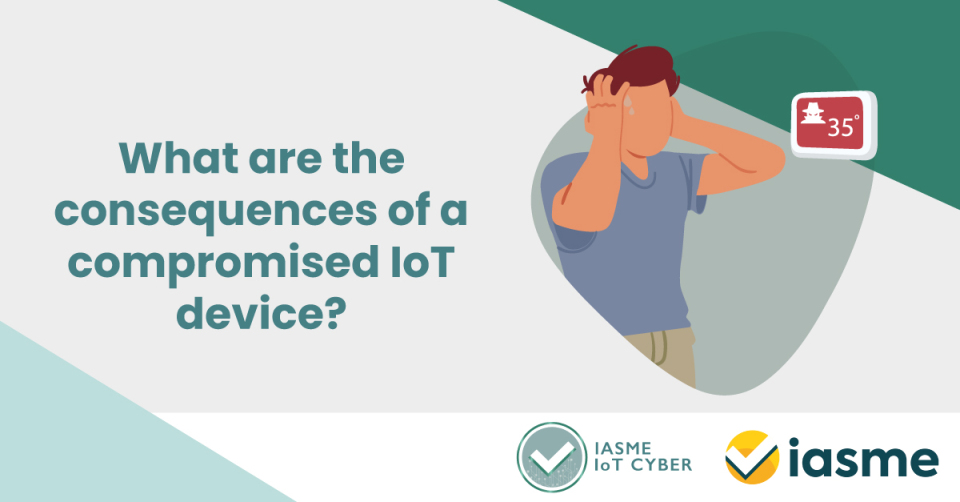
The Internet of Things (IoT) refers to the growing network of devices connected to the internet, from smart thermostats and fitness trackers to connected cars and home security systems. While these devices bring convenience and innovation to our lives, they also introduce significant security risks. When an IoT device is hacked or compromised, the consequences can be far-reaching, affecting both consumers and manufacturers.
Consumers can face invasion of privacy and security threats
IoT devices are often deeply integrated into our personal lives, collecting and transmitting sensitive data. When these devices are compromised, the consequences can be alarming. Hackers can exploit vulnerabilities to invade users’ privacy, steal personal information, or even gain physical access to homes.
For example, Ring smart cameras, owned by Amazon, faced criticism for weak security measures that allowed hackers to take control of devices. These cameras, often installed on doorbells or inside homes, were exploited to spy on users and even harass them. This incident highlights the risks of compromised IoT devices, which can continue to function normally while being exploited—leaving many users unaware of the breach.
With an estimated 20 billion IoT devices in use worldwide, the scale of this threat is immense. From smart speakers listening to private conversations to connected cars being remotely controlled, the potential for harm is significant. As consumers increasingly rely on IoT devices, the need for robust security measures has never been more urgent.
Manufacturers can face reputational damage and financial losses
The impact of IoT security breaches extends beyond consumers to the manufacturers of these devices. A single high-profile breach can result in significant financial losses, legal liabilities, and long-term reputational damage. For example, the 2015 Jeep hack, which exposed vulnerabilities in the vehicle’s software, led to the recall of 1.4 million cars and tarnished the brand’s reputation.
Industries such as automotive, healthcare, and manufacturing are particularly vulnerable, as IoT breaches in these sectors can pose serious safety and financial risks. As consumers become more educated about IoT security, they are demanding products that prioritise safety and compliance with security standards. Manufacturers that fail to meet these expectations risk losing market share and consumer trust.
Why IoT security must be a priority
Many IoT devices are designed with convenience and functionality in mind, often at the expense of security. This has made them an attractive target for cyber criminals. Recognising the growing risks, governments and industry bodies are taking action to improve IoT security.
In the UK, the Product Security and Telecommunications Infrastructure (PSTI) Act, was introduced to set minimum security standards for consumer IoT devices. This legislation shifts the responsibility for security from consumers to manufacturers, resellers, and distributors, ensuring that devices meet baseline security requirements.
The role of certification in building consumer trust
Certification schemes play a crucial role in improving IoT security and building consumer trust. The IASME IoT Cyber certification scheme, for example, provides independent assessment and certification of IoT devices to ensure they meet required cyber security standards. This certification aligns with the PSTI Act and offers two levels of assurance:
IASME IoT Cyber Baseline: A structured path to meet the PSTI Act requirements.
IASME IoT Cyber Assurance: Ensures compliance with the PSTI Act and the full 13 requirements of the global ETSI EN 303 645 standard.
Certification benefits both consumers and manufacturers. For consumers, it provides confidence that a device meets minimum security standards. For manufacturers, certification demonstrates a commitment to security, helps meet legal requirements, and provides a competitive edge in the marketplace. Certified products can display a certification badge, which reassures consumers and distinguishes the product from less secure alternatives.
Find out more about the IASME IoT Cyber Scheme.
To discuss certifying your connected product, contact IoT Security Certification Manager, Jade Pritchard, [email protected]